Honor of Kings Review: Best MOBA on Mobile, or Too Hard for New Players?
Honor of Kings is one of the most polished MOBAs on mobile, with sharp controls, deep team strategy, and fast competitive matches. But beneath that smooth presentation is a steep learning curve that can make the game intimidating for new players
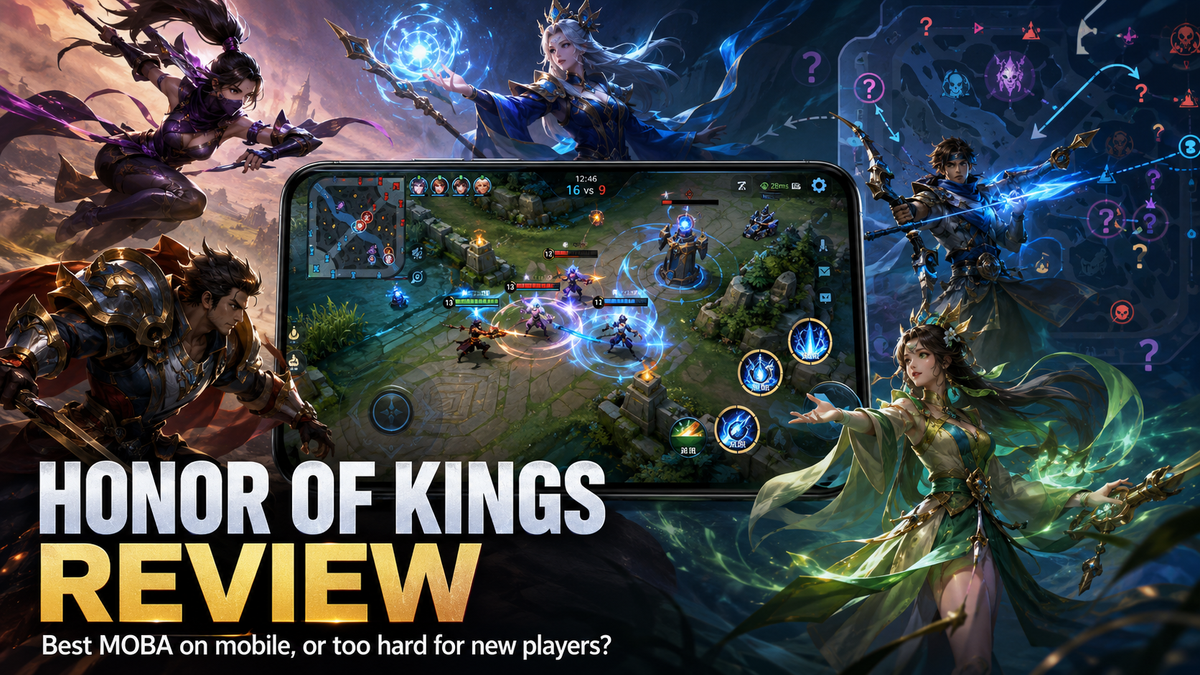
Honor of Kings arrives with the confidence of a game that does not need to explain why it matters. This is not some scrappy mobile MOBA trying to imitate League of Legends on a smaller screen. It is one of the genre’s biggest names, developed by TiMi Studio Group and published globally by Level Infinite, with a core 5v5 format built around lanes, towers, jungle monsters, team fights, and destroying the enemy crystal.
The question is not whether Honor of Kings is polished. It absolutely is. The real question is whether that polish makes it the best MOBA on mobile, or whether the game asks too much, too quickly, from players who are just trying to learn.
The strongest thing about Honor of Kings is that it understands what a mobile MOBA should feel like. Matches move fast without feeling flimsy. The map is compact enough to keep rotations meaningful, but not so small that every fight turns into a mindless pileup. There is a real laning phase, real jungle pressure, real objective control, and enough room for a good player to outplay a bad engage instead of simply mashing abilities until someone disappears.
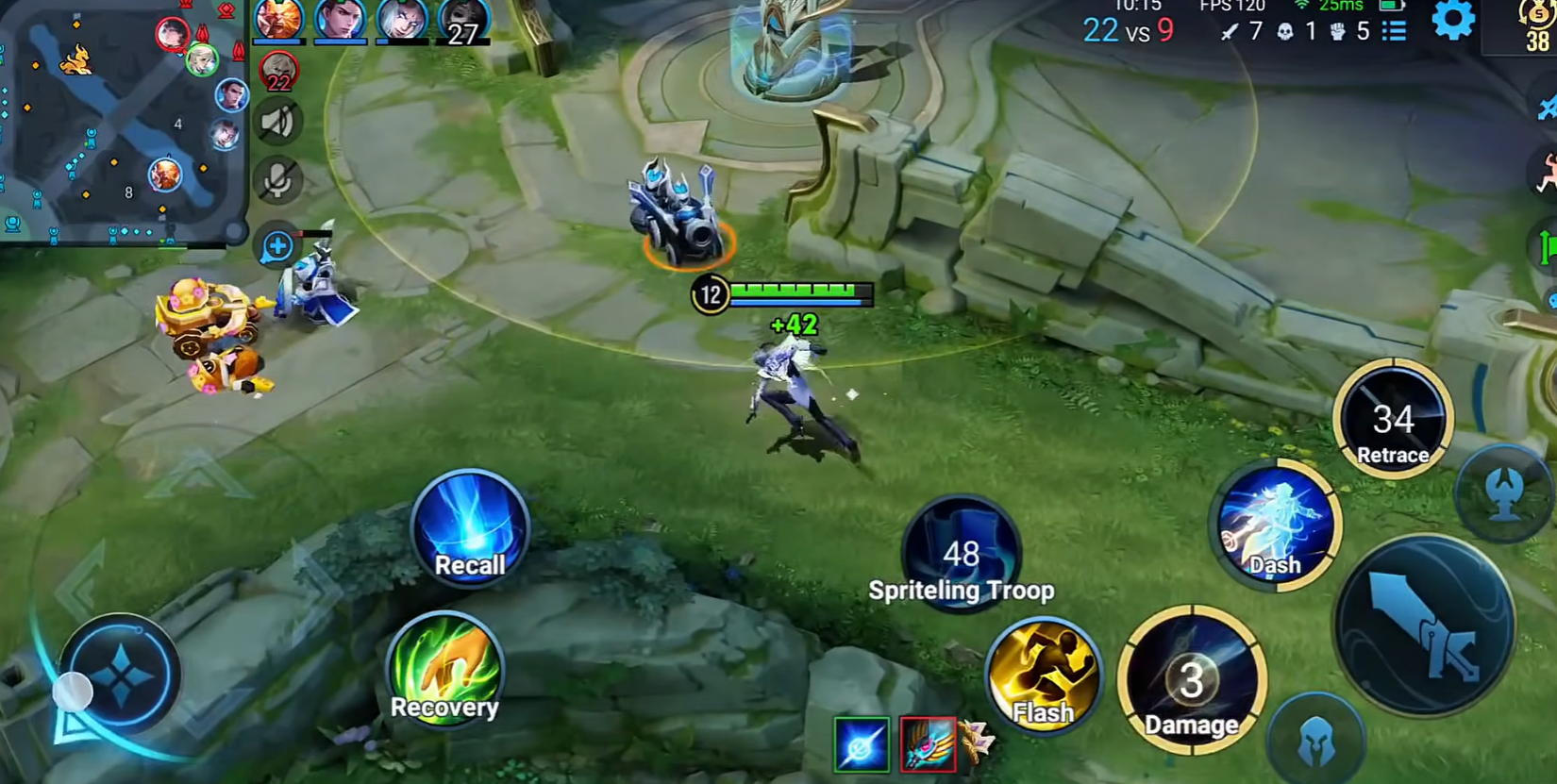
The control scheme is also impressively clean. Basic attacks, abilities, targeting, movement, pings, item purchases, and camera awareness are all compressed onto a phone screen, yet the game rarely feels like it is fighting your thumbs. That matters. A mobile MOBA lives or dies by whether the player feels in control during the messy moments: chasing through brush, dodging a skill shot, peeling for a marksman, or committing to a tower dive with half a health bar and too much confidence.
Honor of Kings usually passes that test.
Its hero design is where the game starts to feel genuinely premium. The official site emphasizes roles like Warrior, Assassin, Mage, Marksman, and Support, along with lane identities such as Clash Lane, Jungler, Mid Lane, Farm Lane, and Roamer. That structure gives the game a clear competitive backbone. A marksman is not just “the ranged damage character.” They need farm, protection, positioning, and patience. A jungler is not just someone killing monsters off to the side. They decide tempo, punish overextensions, secure objectives, and often determine whether a lane gets to play the game at all.
That is the good part. It is also the problem.
Honor of Kings is easy to start, but it is not easy to understand. The early onboarding gives you enough to move, attack, use abilities, and win a few beginner matches. But learning how to actually play well is a different matter. The game’s systems are readable to MOBA veterans, but a newcomer has to absorb a lot at once: lane assignments, hero classes, item builds, jungle timing, visionless map awareness, rotations, objective priority, team-fight positioning, crowd control chains, burst windows, and when not to chase the enemy support into obvious death.
That is where Honor of Kings can feel brutal. It is not hard because the rules are unclear. It is hard because the rules matter.
A new player can win lane and still throw the match by ignoring objectives. A jungler can rack up kills and still lose because they never convert pressure into towers. A roamer can look useless on the scoreboard while quietly winning the game through vision, saves, and timely engages. This is the kind of MOBA where the scoreboard only tells half the story, and beginners often do not know which half they are reading.
To its credit, Honor of Kings does include beginner-friendly conveniences. Recommended lanes and preset builds reduce some of the usual MOBA homework. Pocket Tactics noted that the game recommends lanes for characters and lets players choose pre-selected builds, with items purchasable quickly during matches. That is smart design. It keeps new players from needing a second screen open just to figure out whether they should buy attack speed, cooldown reduction, or magic penetration.
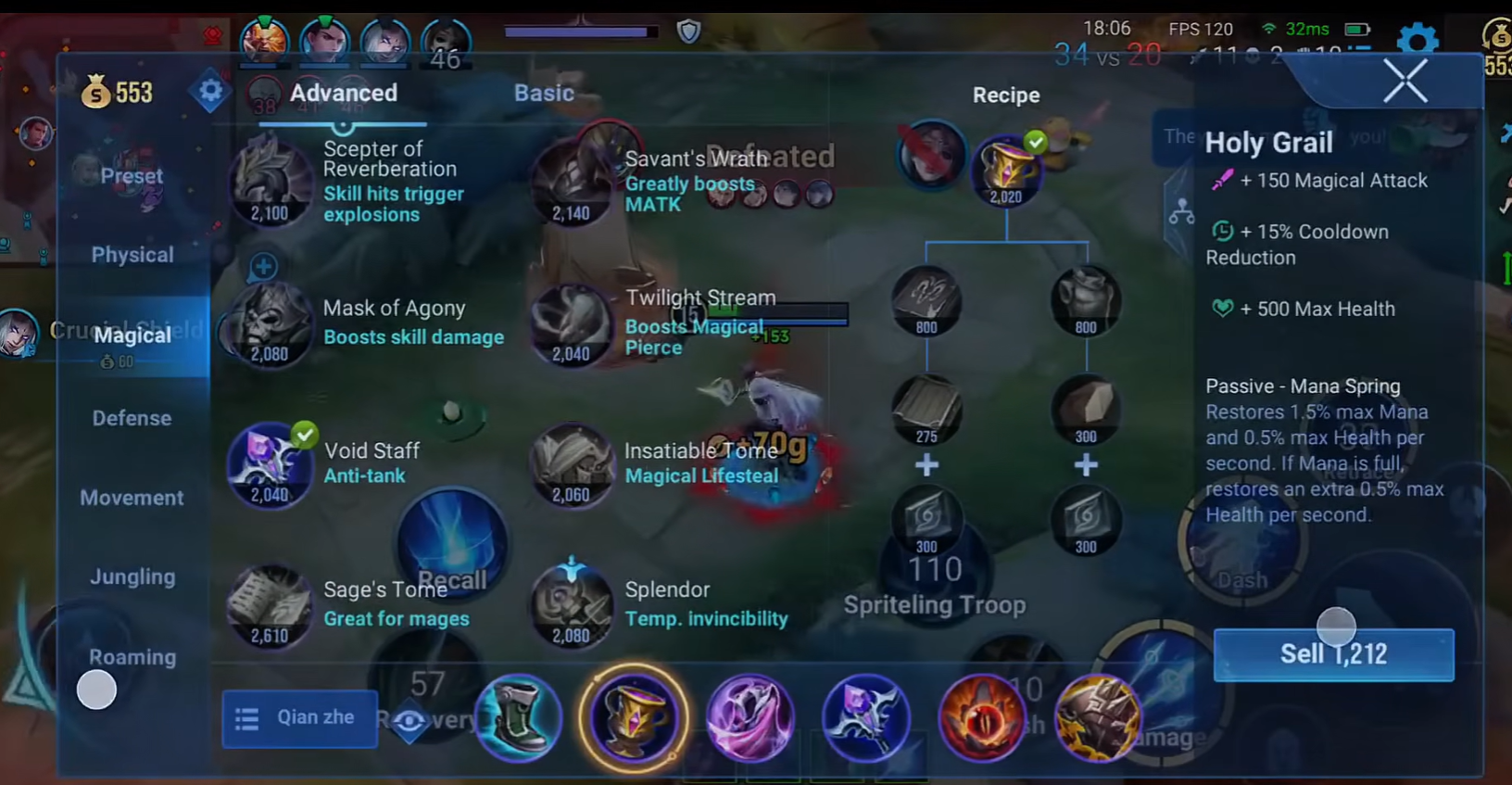
But those tools only soften the learning curve. They do not remove it. A recommended build will not teach you when to rotate from mid. A lane suggestion will not teach you how to survive a three-man gank. A glowing item button will not explain why your team lost the late-game fight before it even started, because your marksman walked into river without backup.
The matchmaking is another sticking point. On paper, Honor of Kings is built around fair, skill-based competition. The Google Play listing even describes the game as having no hero cultivation, no stamina system, and no additional pay-to-win aspects, which is exactly what competitive players want to hear. In practice, player reviews repeatedly point to matchmaking frustration, especially around uneven teams, bots, or teammates who appear completely out of sync with the match level. Google Play includes recent complaints about ranked matchmaking and a developer response saying the team is “actively optimizing the matchmaking mechanism.” Apple’s App Store reviews also show players praising the game while criticizing matchmaking and difficulty spikes.
That does not mean every match is a disaster. It does mean Honor of Kings has one of the classic MOBA problems: when the matchmaking works, the game sings; when it does not, you spend 15 minutes wondering why your jungler is farming while your base is on fire.
The free-to-play model is better than many players may expect. The game has in-app purchases, including virtual currency and random items, but its core competitive pitch is that matches are won through skill and strategy rather than paid stat growth. That distinction matters. Cosmetics, unlocks, and event clutter are one thing. Paying for power in a ranked MOBA would be fatal. Honor of Kings largely understands that line.
Still, the menus can feel like a mobile free-to-play carnival. Events, rewards, currencies, red dots, skins, limited-time offers, claim buttons, and overlapping systems crowd the experience outside actual matches. The in-game battlefield is elegant. The surrounding interface sometimes feels like it wants to sell you five things before letting you breathe. It is not enough to ruin the game, but it does make the first few hours feel busier than they need to be.
So, is Honor of Kings the best MOBA on mobile?
For experienced MOBA players, it has a strong case. The matches are fast but strategic. The heroes have enough mechanical identity to reward mastery. The map design supports real macro play. The controls are sharp. The competitive ceiling is high. And unlike some mobile competitors that sand down the genre until it becomes mostly brawling, Honor of Kings still feels like a proper MOBA.
For total newcomers, the answer is more complicated. Honor of Kings is accessible in the sense that it is free, polished, quick to queue, and easy to control. But it is not casual in the way a new player might expect. It will teach you the buttons, then quietly expect you to learn the genre. That learning process can be exciting, but it can also be punishing, especially once ranked matches expose how much you do not know.
The best version of Honor of Kings is excellent: tense, readable, competitive, and satisfying in the way only a well-played MOBA can be. The worst version is a confusing stomp where you are not sure whether you lost because of your hero, your build, your teammates, the matchmaking, or one terrible decision eight minutes earlier.
That tension is the game.
Verdict: Honor of Kings may be one of the best MOBAs on mobile, but it is not the easiest one to love at first. New players willing to learn roles, map movement, objectives, and hero matchups will find a deep and rewarding competitive game. Players looking for a casual, low-pressure mobile battler may bounce off hard. It is polished enough to welcome beginners, but demanding enough to humble them. That is not a flaw exactly. It is the price of playing a real MOBA on your phone.
Score: 8.5/10