Last War: Survival Game Review: Is It Actually Fun, or Just Aggressively Monetized?
Last War: Survival Game is fun at first, with quick zombie action and constant upgrades. But as timers, stamina limits, and paid boosts pile up, the game starts feeling less like survival and more like a wallet test.
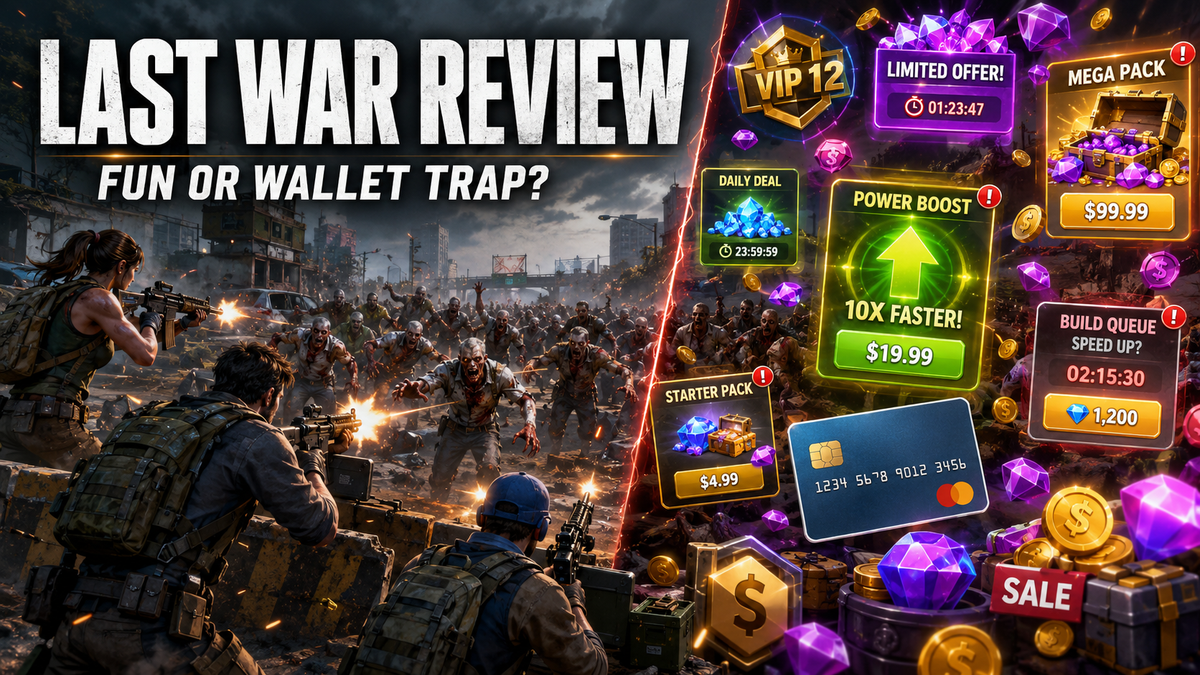
There is a very specific kind of mobile game that smiles at you with one hand and reaches for your wallet with the other. Last War: Survival Game belongs firmly in that category. The real question is whether there is an actual game underneath the pop-ups, timers, packs, VIP systems, stamina limits, hero upgrades, alliance pressure, and shiny buttons begging to be tapped.
The answer: yes, there is fun here. But the game knows exactly how to ration it.
Last War sells itself as a zombie survival game with quick-reflex lane combat, base building, hero collecting, and alliance cooperation. That is not false, exactly. The Google Play listing describes the game as a mix of lane-based zombie dodging, shelter building, hero recruitment, and global alliances. Apple lists it as a free strategy game with in-app purchases, loot boxes, messaging, and purchases ranging from $0.99 packs up to $99.99 packs, plus a $24.99 monthly pass. So before even opening the game, the warning labels are already blinking.
The early game is the best part, and that is not an accident. Last War begins with quick little bursts of action: move your squad, dodge obstacles, shoot zombies, grab upgrades, watch numbers go up. It is simple, but it works. There is a satisfying rhythm to clearing lanes, unlocking characters, expanding your base, and feeling like you are constantly making progress. The game is very good at making five minutes feel productive.
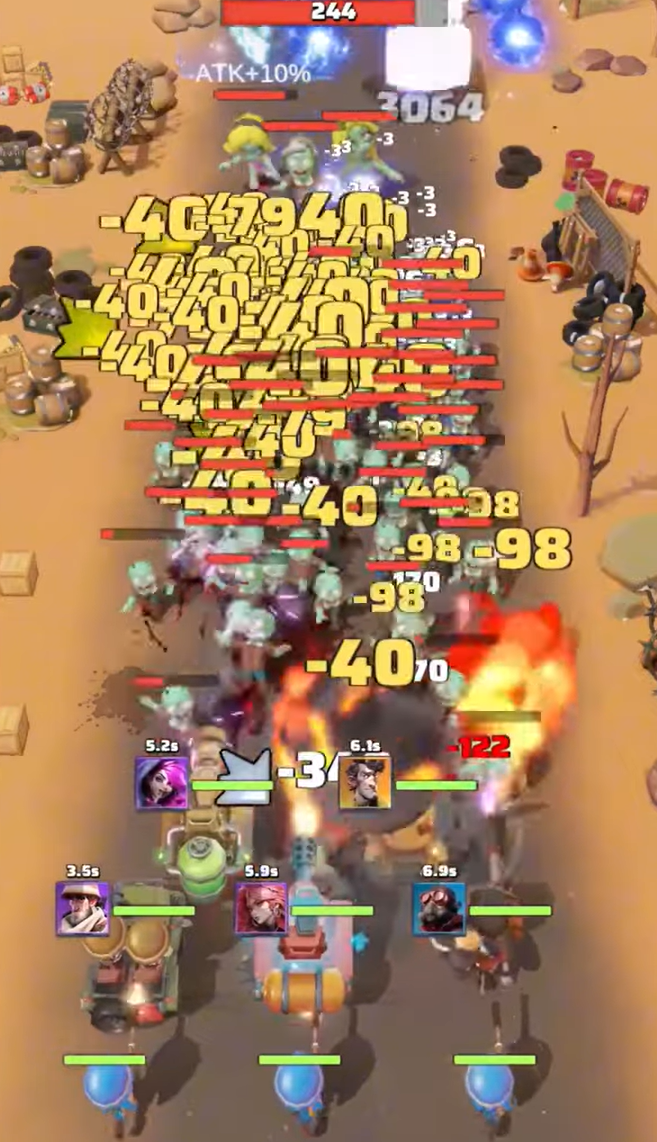
Then it starts adding layers. Your base needs upgrades. Your heroes need leveling. Your troops need training. Your research needs attention. Your alliance wants participation. Your stamina runs out. Your timers get longer. Your enemies get stronger. Your screen fills with icons that all seem to lead to another reward, another event, another limited-time deal, another reason to come back before reset.
That is where Last War gets interesting, and also where it gets ugly.
The core loop is not terrible. In fact, for a while, it is weirdly compelling. You log in, collect resources, start an upgrade, train units, spend stamina on zombies or events, help your alliance, claim rewards, and maybe push your power up just enough to feel like today mattered. It scratches the same itch as a dozen other mobile strategy games: tiny chores, constant progression, and the comforting illusion that you are building something important.
The alliance system is probably the game’s strongest long-term hook. Once you join an active alliance, Last War becomes less about zombies and more about social obligation with tanks. You are helping with rallies, coordinating events, shielding your base, timing upgrades, and trying not to be the person dragging everyone else down. That can be genuinely fun. It gives the game a pulse beyond the usual “tap all the red dots” routine.
But the monetization does not sit politely in the corner. It stands in the middle of the room wearing a crown.
Last War’s pay-to-win problem is not subtle. The game sells speed, resources, stamina, hero progress, VIP benefits, packs, and structural advantages. The headquarters system alone shows why spending matters: fan guides explain that HQ upgrades increase power, hero level caps, hero stats, building caps, and unlock new buildings, while also requiring resources and prerequisite buildings as levels rise. In plain English, your HQ is not just cosmetic progress. It is the spine of your entire account.
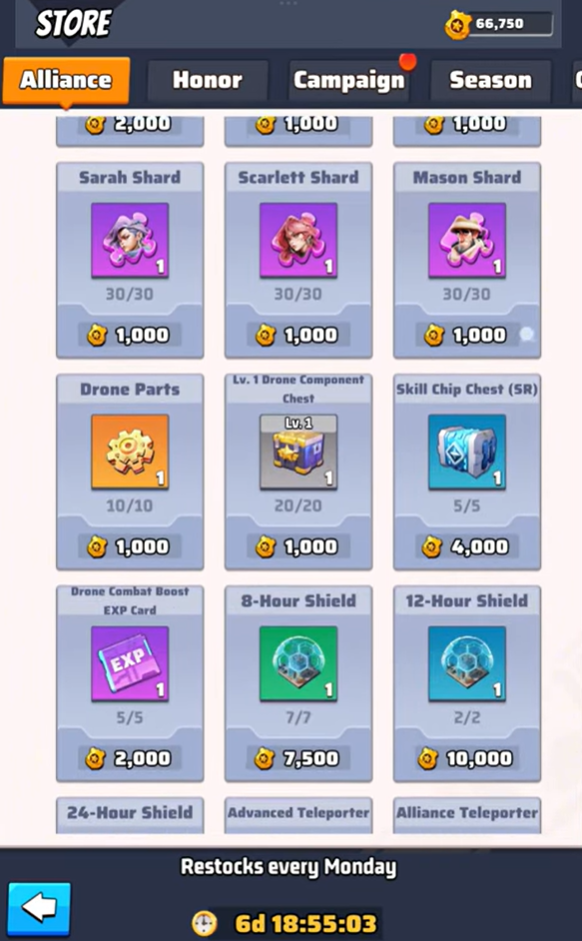
That means players who pay are not just getting cute skins or convenience. They are accelerating the systems that decide who hits harder, upgrades faster, researches more efficiently, and survives better. When a player buys time, they are effectively buying distance between themselves and everyone else.
The energy system, or stamina system, is another piece of the squeeze. Stamina limits how much active fighting and event participation you can do before the game tells you to wait, spend resources, or come back later. Community guides and store guides treat stamina as one of the key things players need to manage and buy efficiently, including through VIP-related shops and diamond spending. That alone says a lot. When a game’s “strategy” includes learning the best way to ration stamina refills, the design has already moved from fun to accounting.
To be fair, Last War is not unplayable for free players. You can absolutely download it, play casually, join an alliance, enjoy the early progression, and get some entertainment without paying. Patient players can still grow. Daily players can still contribute. The game gives out enough rewards to keep the machine running.
But “playable” and “fair” are not the same thing.
The issue is not that Last War charges money. Games cost money to make. The issue is that spending does not just make the game prettier or more convenient. It makes the game easier, faster, stronger, and more competitive. In PvP and alliance-driven events, that matters. A smart free player can make good choices, save resources, time upgrades, and play efficiently. But eventually, they run into someone whose strategy was “buy the problem away.”
That is where the fun starts to curdle.
The first few days feel generous. The game showers you with upgrades, rewards, unlocks, and little victories. Then the timers stretch. The costs rise. The upgrade paths branch into more systems. Research becomes more important. Hero development slows. The stamina bottleneck becomes more noticeable. You begin to realize that the game is not asking, “Are you skilled enough?” It is asking, “How patient are you, and how much is your patience worth?”
That is the real trick of Last War. It is not a bad game wrapped in monetization. It is a decent game designed around monetization so carefully that separating the two becomes impossible.
There are redeeming qualities. The lane combat is shallow but punchy. The base-building has enough structure to keep progression addicts busy. The alliance side can create real social investment. The presentation is clean and readable. The game constantly gives you something to do, something to claim, something to upgrade. For mobile players who like routine, checklists, and incremental growth, Last War can be dangerously satisfying.
But it also feels engineered to turn enjoyment into friction. Every good system eventually finds a way to point toward the shop. Want to progress faster? Buy speedups. Want to keep fighting? Manage stamina or buy more. Want to stay competitive? Upgrade heroes, research, buildings, VIP, gear, troops, and everything else the game stacks on top of you. Want to relax? Good luck, your alliance event just started.
So, is Last War actually fun?
Yes, for a while.
Is it aggressively monetized?
Absolutely.
And more importantly, the monetization is not some optional side dish. It is baked into the recipe. Last War is fun in the same way a casino buffet is fun: bright lights, constant rewards, plenty to do, and a business model that is very confident you will eventually reach for your wallet.
Verdict
Download Last War: Survival Game only if you know exactly what kind of mobile strategy trap you are walking into.
If you want a casual zombie game with some base-building and you can ignore paywalls, timers, stamina pressure, and competitive whales, there is enough here to enjoy for a few days or even longer. Play it casually, stay free-to-play, and treat it like a time-killer.
But if you are easily pulled into “just one small pack,” “just one monthly pass,” or “just one upgrade to keep up,” skip it. Last War is not just monetized. It is monetization wearing a game costume.
Score: 7/10 for casual fun, 4/10 for fairness.